

November 8.mp33:55
来自uread
1793 – The Louvre Museum, in Paris, opened to the public for the first time. 1793年——巴黎卢浮宫博物馆首次向公众开放。
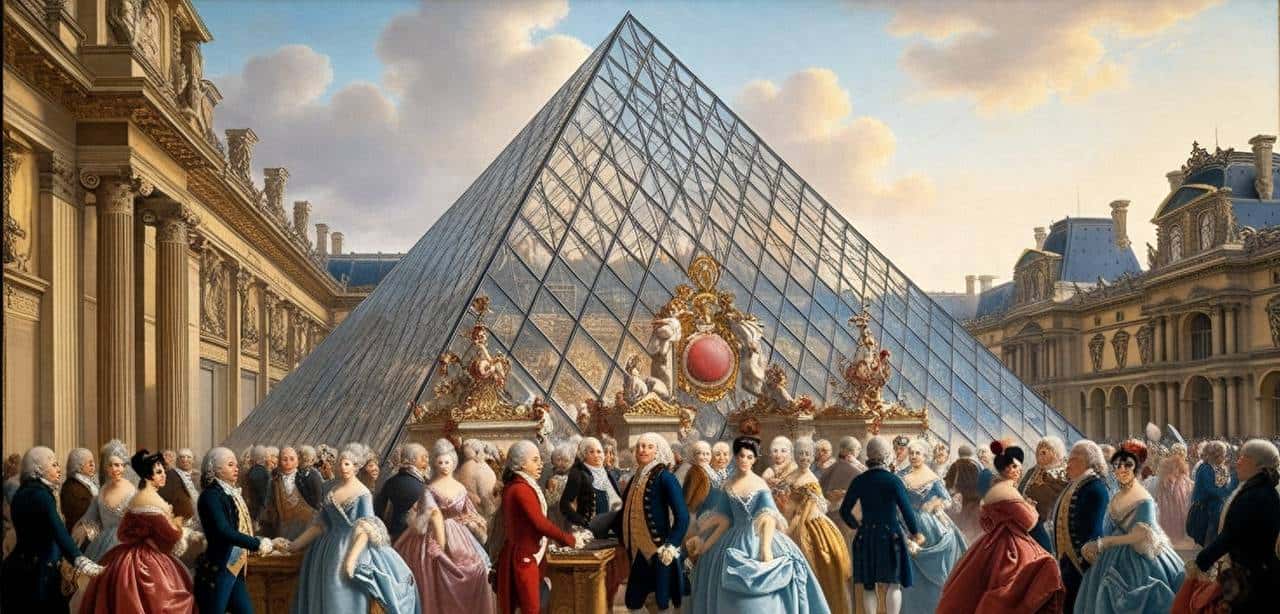
The Louvre, an iconic landmark of Paris and an emblem of French immeasurable historic, cultural, and artistic legacy, first opened its doors to the public on 11th August 1793. This groundbreaking move, facilitated by the French Revolutionary government, marked a significant shift in the philosophy and perception of art, transforming it from a privilege of the elite to a shared cultural asset for all citizens to appreciate and marvel at.
卢浮宫是巴黎的标志性建筑,也是法国无数历史、文化和艺术遗产的象征,于1793年8月11日首次向公众开放。这一由法国大革命政府推动的开创性举措标志着艺术哲学和观念的重大转变,将其从精英的特权转变为所有公民欣赏和惊叹的共享文化资产。
The French Revolution, a time of dramatic social and political change, became the springboard for the Louvre to transition into a public museum. The revolutionary government, adamant on democratizing the country’s cultural wealth, decided the former royal palace should be made available for public enjoyment and enlightenment.
法国大革命时期,社会和政治发生了巨大的变革,也成为卢浮宫转型为公共博物馆的契机。革命政府坚持要让国家文化财富民主化,决定将这座昔日的皇宫开放给公众欣赏和启迪。
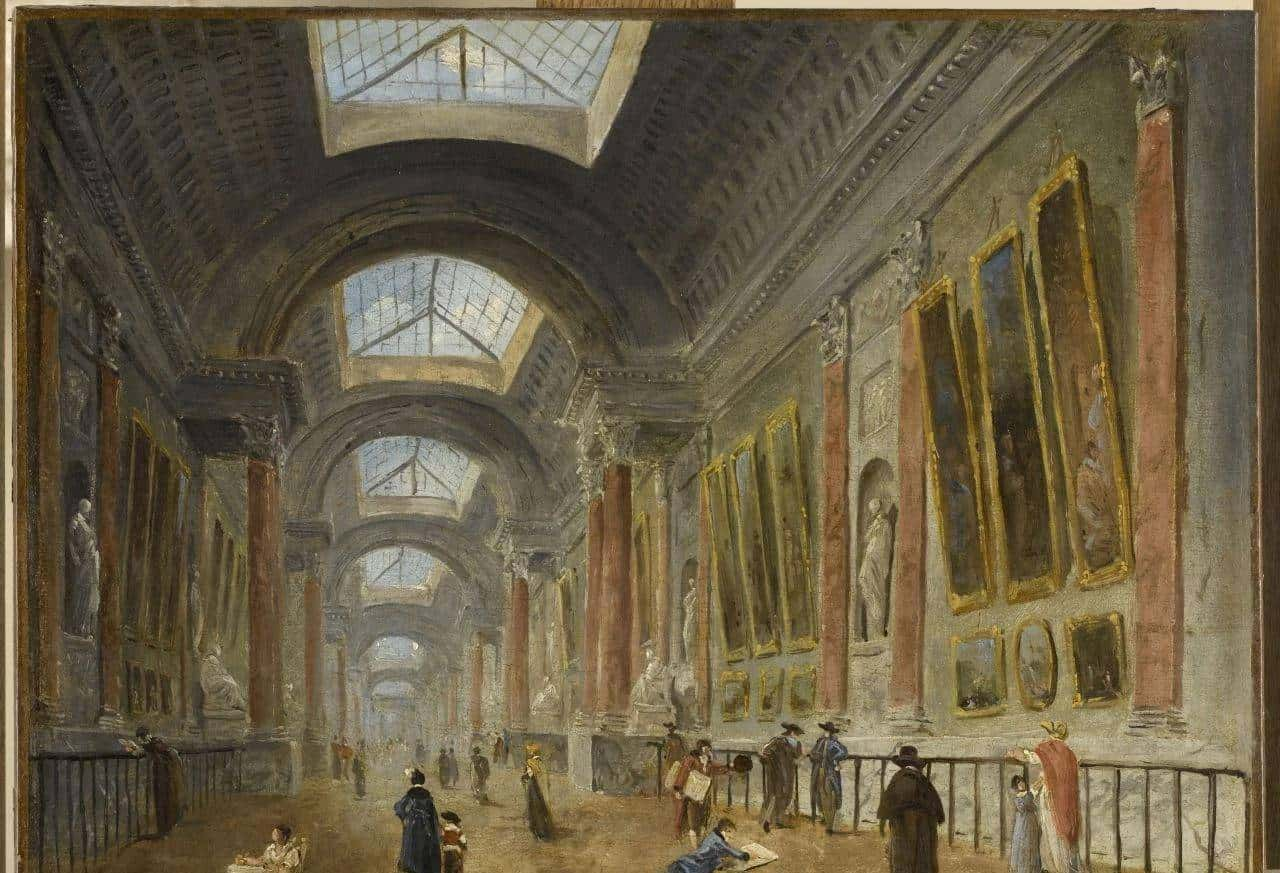
The French Revolutionary government’s decision to make the Louvre a public institution stemmed from a desire to promote equality and educate the masses. The opening of the Louvre to the public underscored the principles on which the Revolution was based- Liberté, Egalité, Fraternité. It symbolizes the shift in power from the monarchy to the people and represents the democratization of art, culture, and knowledge.
法国大革命政府决定将卢浮宫改为公共机构,其初衷是促进平等,教育大众。卢浮宫向公众开放,彰显了法国大革命的基石——自由、平等、博爱。它象征着权力从君主制向人民的转移,也代表着艺术、文化和知识的民主化。
As we delve deeper into the significance of Louvre’s public opening in 1793, it’s crucial to understand it did not merely open with its doors ajar. The revolutionary government curated a collection that showcases the nation’s rich cultural tapestry—and this, indeed, was not a small feat.
当我们深入探究卢浮宫1793年对外开放的意义时,至关重大的是要理解它并非仅仅敞开大门。革命政府精心策划了一系列藏品,展现了国家丰富的文化底蕴——这的确是一项不小的成就。
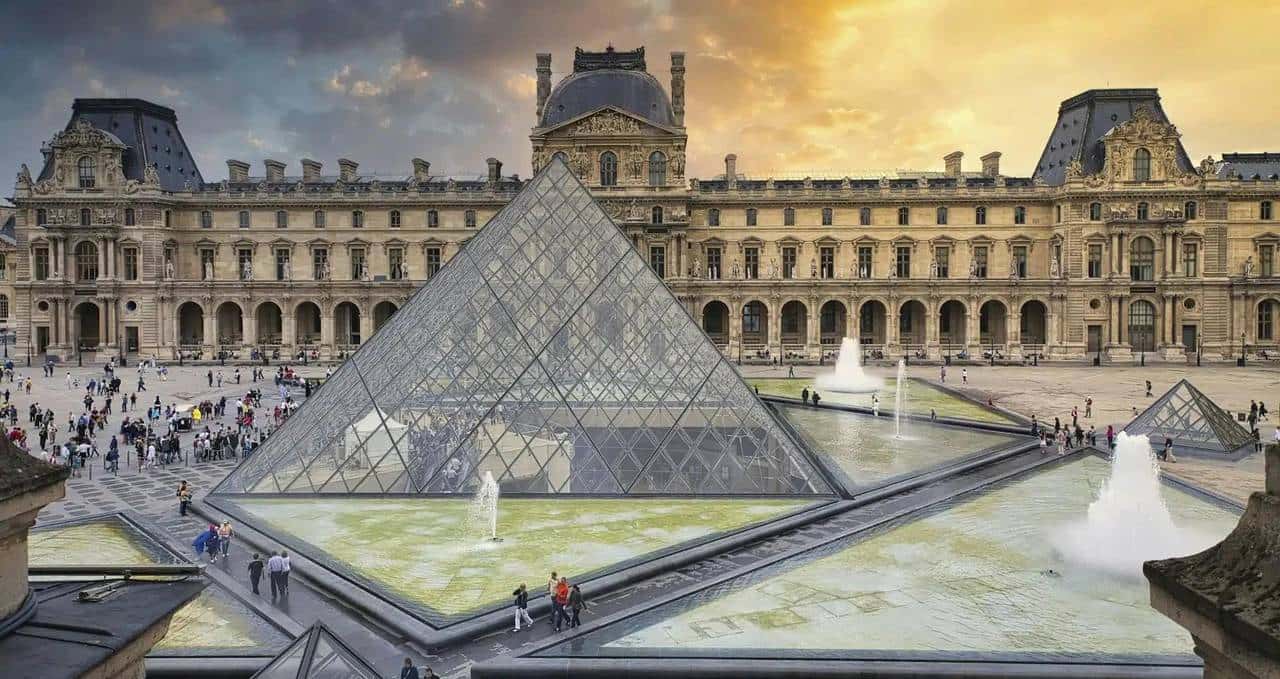
When we mention the Louvre today, we imagine it filled with masterpieces such as the Mona Lisa or the Venus de Milo. However, this was not the case when it first opened to the public. The initial collection was a blend of the royal collection – formerly the exclusive domain of the royal family and its court – and items seized during the Revolution from the nobility and the Church. These items broadly represented French and European art and history, becoming an essential tool for citizens’ historical and cultural education.
如今,提起卢浮宫,我们总会想象它充满了诸如《蒙娜丽莎》或《米洛的维纳斯》之类的杰作。不过,卢浮宫最初向公众开放时并非如此。最初的藏品既有皇家藏品(以前是皇室及其宫廷的专属财产),也有法国大革命期间从贵族和教会手中缴获的物品。这些藏品广泛代表了法国乃至欧洲的艺术和历史,成为公民历史文化教育的重大工具。
The charm of the Louvre also lies within its structural grandeur. The former royal palace’s architectural marvel was an educational resource in itself, offering the public an opportunity to sight the exquisite French craftsmanship up close. In this way, the Louvre served a dual purpose: It wasn’t just a museum that housed artworks; the building itself was an artwork to marvel at.
卢浮宫的魅力还在于其宏伟的结构。这座昔日皇宫的建筑奇迹本身就是一种教育资源,让公众有机会近距离欣赏法国精湛的工艺。因此,卢浮宫兼具双重功能:它不仅仅是一座收藏艺术品的博物馆;建筑本身也是一件令人赞叹的艺术品。
As years passed, the collection continued to grow, acquiring pieces of ever-increasing significance. It evolved into a world-class museum, securing a pivotal place in the cultural landscape of Paris and the world. Its effervescent evolution echoes the very ideals of the Revolution – a testament to progress and change driven by the collective force of the nation.
随着岁月流逝,藏品不断丰富,意义非凡。它逐渐发展成为一座世界级的博物馆,在巴黎乃至世界文化版图上占据着举足轻重的地位。它蓬勃的发展历程与法国大革命的理想相呼应——见证了民族集体力量推动的进步与变革。
The decision to open the Louvre to the public acted as a catalyst for other European countries, inspiring them to follow suit and open their royal or private collections to their citizens. This gave rise to the museum culture we are now familiar with in modern society, where art and culture are seen as integral parts of the public sphere, not retained within elite boundaries.
卢浮宫向公众开放的决定对其他欧洲国家起到了催化剂的作用,激励它们纷纷效仿,向公民开放其皇家或私人藏品。这催生了我们如今在现代社会所熟悉的博物馆文化,艺术和文化被视为公共领域不可或缺的组成部分,不再局限于精英阶层。
The French Revolutionary government’s decision to open the Louvre to the public on 11th August 1793 is a defining moment in France’s rich cultural history. The move symbolizes the democratization of art and culture, enabling all citizens to appreciate and learn from their country’s heritage. Moreover, it sparked a global trend, cementing the concept of public museums in the public consciousness. The tale of the Louvre, from royal palace to public museum, is indeed an inspiring journey, underpinning the importance of art in educating, enlightening, and empowering society.
1793年8月11日,法国大革命政府决定向公众开放卢浮宫,这是法国丰富文化史上的一个决定性时刻。这一举措象征着艺术和文化的民主化,使所有公民都能欣赏和学习自己国家的文化遗产。此外,它还引发了一股全球潮流,巩固了公共博物馆的概念在公众意识中的根基。卢浮宫从皇家宫殿到公共博物馆的演变历程,无疑是一段鼓舞人心的旅程,它强调了艺术在教育、启迪和赋能社会方面的重大性。
Key Words
Louvre: ['lu:vrə] 卢浮宫(位于法国巴黎,旧时为王宫,1793年起辟为国家艺术博物馆)
curate: v. select, organize, and look after the items in (a collection or exhibition) 安排,管理(收藏品或展览) both exhibitions are curated by the Centre's director. 两个展览都由中心主管负责。
tapestry: a piece of thick textile fabric with pictures or designs formed by weaving coloured weft threads or by embroidering on canvas, used as a wall hanging or soft furnishing 挂毯
grandeur: greatness; magnificence; impressiveness 伟大; 壮丽; 壮观: the grandeur of the Swiss alps 瑞士阿尔卑斯山的壮丽景色.
effervescent: adj. someone who is effervescent is very happy, excited, and active 兴高采烈的; 充满活力的,活泼的: an effervescent personality 活泼乐观的个性
underpin: v. support (a wall, etc) from below with masonry, etc 用砖石结构等从下面支撑(墙等); 加固(墙等)的基础. The evidence underpinning his case was sound. 有利于他的证据是确凿的. These developments are underpinned by solid progress in heavy industry. 重工业的稳固发展为这些进展打下了基础.














暂无评论内容