

The Foolish Old Man Moves the Mountains
《愚公移山》是中国古代的一则寓言故事,最早见于《列子·汤问》。以下是《愚公移山》的原文:
太行、王屋二山,方七百里,高万仞,本在冀州之南,河阳之北。
北山愚公者,年且九十,面山而居。惩山北之塞,出入之迂也,聚室而谋曰:“吾与汝毕力平险,指通豫南,达于汉阴,可乎?”杂然相许。其妻献疑曰:“以君之力,曾不能损魁父之丘,如太行、王屋何?且焉置土石?”杂曰:“投诸渤海之尾,隐土之北。”遂率子孙荷担者三夫,叩石垦壤,箕畚运于渤海之尾。邻人京城氏之孀妻有遗男,始龀,跳往助之。寒暑易节,始一反焉。
河曲智叟笑而止之曰:“甚矣,汝之不惠!以残年余力,曾不能毁山之一毛,其如土石何?”北山愚公长息曰:“汝心之固,固不可彻,曾不若孀妻弱子。虽我之死,有子存焉;子又生孙,孙又生子;子又有子,子又有孙;子子孙孙无穷匮也,而山不加增,何苦而不平?”河曲智叟亡以应。
操蛇之神闻之,惧其不已也,告之于帝。帝感其诚,命夸娥氏二子负二山,一厝朔东,一厝雍南。自此,冀之南,汉之阴,无陇断焉。
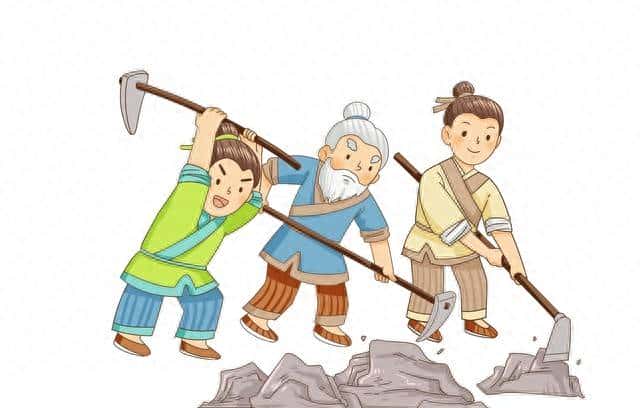
Once upon a time, in ancient China, there lived a ninety-year-old man named Yu Gong. His home was nestled between two towering mountains, Taihang and Wangwu, which stood as formidable barriers to the outside world. The only way for Yu Gong's family to leave their home was to take a long and winding detour around these mountains, a journey that was both inconvenient and time-consuming.
从前,在中国古代,有一个九十岁的老人名叫愚公。他的家被两座巍峨的山峰——太行和王屋——挡住了去路。愚公一家要离开家,只能绕着这两座山走一条漫长而曲折的小路,这既不方便又耗时。
One day, Yu Gong gathered his family to discuss a bold plan: to move the two mountains aside and create a clear path for easier access. Despite the audacity of the idea, everyone present agreed that it was worth a try. Yu Gong's wife posed a practical question, “Where will we put the dirt and rocks that we dig out?” To which Yu Gong replied, “We can throw them into the sea.”
有一天,愚公召集家人开会,讨论一个大胆的计划:把两座山挪开,开辟一条通往外界的便捷道路。尽管这个想法听起来有些鲁莽,但在场的人都认为值得一试。愚公的妻子提出了一个实际问题:“我们挖出来的泥土和石头该放在哪里?”愚公回答说:“我们可以把它们扔进海里。”
Early the next morning, Yu Gong led his family to begin their herculean task. They dug tirelessly, day after day, week after week, month after month. Although their progress was slow, they persisted with unwavering determination.
第二天一大早,愚公带领家人开始了这项艰巨的任务。他们日复一日、月复一月、年复一年地挖掘,虽然进展缓慢,但他们从未放弃过。
News of Yu Gong's endeavor reached an old man named Zhi Sou, who laughed at the foolishness of the idea. He tried to dissuade Yu Gong, arguing that his advanced age and limited energy made the task impossible. Yu Gong, however, remained steadfast. “You're too stubborn,” he said. “Even if I die, my sons will have children, and those children will have more children. This will continue generation after generation without end. While the mountains won't get any higher. With each bit we dig, the mountains will get lower. Why should we fear not leveling them?”
愚公的行动传到了老人智叟的耳朵里,他嘲笑这个想法的愚蠢。他尝试劝阻愚公,认为他年纪太大,精力有限,不可能完成这项任务。不过,愚公坚定不移。“你太固执了,”他说,“即使我死了,我的儿子们还会有孩子,那些孩子还会有更多的孩子。这样一代代下去,永无止境。而山不会变高。我们每挖一点,山就会变低。我们为什么要害怕不能把它们铲平呢?”
Left speechless, Zhi Sou walked away, shaking his head in disbelief. But Yu Gong's words and deeds had already made an impression on the Mountain God, who saw the old man's persistence and determination. Moved by Yu Gong's spirit, the Mountain God reported the matter to the Heavenly Emperor.
智叟无言以对,摇着头走了。但愚公的话语和行动已经感动了山神,山神看到了老人的坚持和决心。被愚公的精神所感动,山神将此事报告给了天帝。
The Heavenly Emperor, too, was touched by Yu Gong's unwavering resolve. He sent two powerful deities to assist in the task, and with their divine powers, the two mountains were miraculously moved away. From that day forward, Yu Gong's family and the generations that followed could travel freely without the obstacle of the mountains.
天帝也被愚公不屈不挠的决心所打动。他派了两个强劲的神仙来协助完成任务,在他们的神力下,两座山奇迹般地被移开了。从那后来,愚公一家以及世世代代的子孙都可以自由出行,不再受到山的阻挡。
The story of Yu Gong, the Foolish Old Man who moved the mountains, has become a timeless legend in Chinese culture. It teaches us that with determination, perseverance, and the belief that every small effort counts, even the greatest difficulties can be overcome. It reminds us that there is no mountain too high, no barrier too strong, for those who refuse to give up and keep pushing forward.
《愚公移山》的故事已经成为中国文化中的一个永恒传说。它告知我们,只要有决心、毅力和信任每一份努力都很重大,即使最大的困难也能被克服。它提醒我们,对于那些永不放弃、勇往直前的人来说,没有山太高,没有障碍太强。














暂无评论内容